
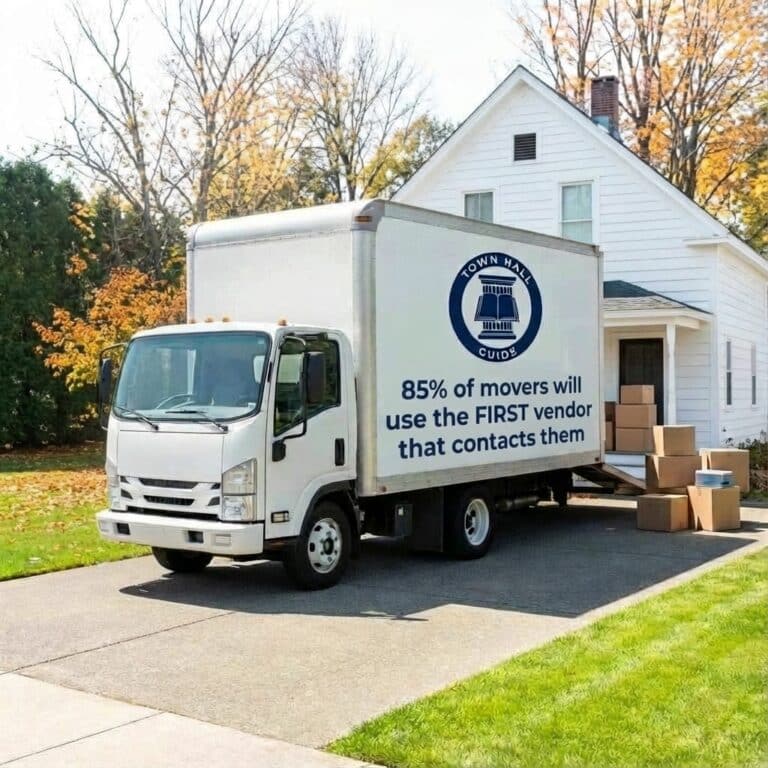
Here’s a stat that should change how you think about marketing: 85% of movers will use the first vendor that contacts them. That’s not a typo. The businesses that reach new residents first don’t just get a transaction, they often secure a customer for years.
But timing isn’t everything. You also need the right message at the right moment. New movers go through distinct phases, each with different priorities and spending patterns. Understanding these mover buying cycles, and aligning your offers accordingly, can transform your customer acquisition strategy. Let’s break down exactly how to do it.
Understanding the Mover Buying Cycle
The mover buying cycle isn’t a single event, it’s a journey spanning weeks or even months. From the moment someone decides to relocate until they’re fully settled, they’re making dozens of purchasing decisions. And here’s what makes this audience so valuable: new movers are 80% more likely to try new businesses and products during this transition.
We can divide this cycle into three main phases: pre-move, moving week, and post-move. Each stage comes with unique needs, different emotional states, and specific buying behaviors.
During the pre-move phase, people research and plan. Moving week is chaotic and time-sensitive. Post-move, they’re establishing routines and forming new brand loyalties. New residents create an average of 71 new business relationships in their first few months, that’s 71 opportunities for local businesses to become their go-to providers.
The key insight? Within the first 180 days, new homeowners spend approximately $9,700 on items for their new home. They spend more in six months than average consumers spend in three years. This isn’t just a marketing opportunity, it’s a goldmine for businesses that understand how to approach it.
Pre-Move Phase: Capturing Early Interest
The pre-move phase begins weeks before the actual relocation. During this time, movers are actively researching their new community. They’re searching for moving companies (32% use online resources for this), comparing neighborhoods, and starting to identify essential services they’ll need.
This is your window to make a first impression. New movers are 88% more likely than average consumers to use “near me” searches, they’re actively looking for local businesses. If you’re not visible during these searches, you’re missing early-stage prospects.
What works in this phase:
- Educational content that helps with relocation planning
- Welcome offers that give them a reason to choose you when they arrive
- Multi-channel visibility across search, social media, and local directories
Remember, 77% of movers say they use the internet for move-related information because it’s fastest. Your digital presence matters enormously here. But don’t neglect other channels, 70% of movers keep move-related information to refer back to when they’re ready. That direct mail piece might sit on their counter for weeks before they act on it.
Moving Week: Time-Sensitive Opportunities
Moving week is intense. Boxes everywhere, utilities to set up, a million decisions to make. People are stressed, overwhelmed, and short on time. They need solutions fast.
This creates urgency-driven opportunities. Movers aren’t comparison shopping during this phase, they’re grabbing whatever’s available and convenient. That’s why being first matters so much.
Certain businesses thrive during moving week:
- Food delivery and restaurants (nobody’s cooking when the kitchen is packed)
- Cleaning services (both old home and new)
- Utility and service setup (internet, cable, security systems)
- Emergency services (locksmith, plumber, electrician)
Your offers should reflect the chaos. Think convenience, speed, and immediate value. A pizza shop offering “Moving Day Special: Free Delivery + 20% Off” speaks directly to someone surrounded by cardboard boxes wondering what’s for dinner.
Direct mail still works here, especially for new homeowners whose mailboxes are relatively empty. In fact, 80% of new movers will redeem coupons from merchants before, during, and after the move.
Post-Move Phase: Building Long-Term Relationships
The post-move phase is where long-term customer relationships are won or lost. New residents are settling in, establishing routines, and, critically, choosing which businesses will become their regulars.
Think about all the services a new mover needs: dentist, hair salon, auto repair, veterinarian, pharmacy, dry cleaner, daycare. The list goes on. They’re not just buying products: they’re building their entire local service network from scratch.
And here’s the kicker: new movers are 5X more likely to become repeat customers if you reach them first. The relationships formed during this phase often last years.
Post-move purchasing priorities include major home investments:
- Home improvement projects (78% of new movers)
- Furniture (58%)
- Home décor (52%)
- Flooring (39%)
- Bedding and linens (36%)
This phase calls for relationship-building offers rather than one-time discounts. Think loyalty programs, welcome packages, and community-focused messaging. A remarkable 93% of new movers take advantage of offers from local businesses that welcome them to the community. That welcome matters.
Timing Your Offers for Maximum Impact
Getting timing right requires understanding not just when people move, but when they make specific decisions. The research tells us movers use different channels depending on what they’re looking for and what stage they’re in.
Some decisions happen early. Moving company selection often starts 4-6 weeks before the move date. Utility research happens 2-3 weeks out. Other decisions, like finding a new dentist or hair salon, might wait until a month or two after settling in.
We recommend mapping your specific product or service to the appropriate phase:
- Pre-move (4+ weeks out): Moving services, real estate, home inspection, insurance
- Moving week: Food, cleaning, immediate home services, storage
- Early post-move (1-4 weeks): Utilities, internet, basic home supplies
- Late post-move (1-6 months): Personal services, major purchases, home improvement
The more channels you use to reach new movers, the more movers you’ll reach. Period. They might see your online ad, receive your direct mail piece, and finally respond to an email offer. Multi-channel approaches work because movers don’t rely on just one information source.
Crafting Offers That Match Mover Needs at Each Stage
Generic discounts won’t cut it. Your offers should speak directly to what movers need at each specific stage.
Pre-move offers should reduce risk and provide value upfront. Free consultations, planning guides, or “hold this rate” guarantees work well. You’re building trust before they even arrive.
Moving week offers need to emphasize convenience and speed. Same-day service, no-hassle booking, and instant gratification. Remove friction wherever possible.
Post-move offers should focus on welcoming and relationship-building. Welcome packages, first-time customer discounts, and loyalty program enrollment. Since 75% of movers prefer talking to someone in person for move-related topics because they can ask specific questions, consider offers that encourage in-store visits or consultations.
One thing we’ve learned: new movers respond well to marketing programs that help them identify local sources for goods and services they need. Position yourself as helpful, not salesy. You’re solving their problem of figuring out their new community, that framing changes everything.
Measuring and Optimizing Your Mover Marketing Strategy
You can’t improve what you don’t measure. Track these metrics to optimize your mover marketing:
- Response rates by channel (direct mail vs. digital vs. email)
- Time-to-conversion (how long from first contact to purchase)
- Customer lifetime value of mover-acquired customers
- Retention rates compared to customers acquired through other channels
New mover annual expenditures exceed $150 billion. Even a small slice of that spend can transform your business, but you need to know what’s working.
Test different offer types, messaging, and timing. What works for a pizza shop won’t necessarily work for a dentist. Track which phase your best customers typically come from, then double down on what’s effective.
Look at the full customer journey, not just initial conversion. A mover who becomes a repeat customer is worth far more than the first transaction suggests. The businesses that track lifetime value, rather than just acquisition cost, make smarter marketing decisions.
Conclusion
Aligning your offers with mover buying cycles isn’t complicated, but it does require intentionality. Understand the phases. Show up early. Meet people where they are with offers that actually matter to them in that moment.
The opportunity is significant: new movers are actively seeking new business relationships, spending heavily, and remarkably loyal to businesses that reach them first. Contact new movers before they find your competition, because in this market, timing really is everything.
